
"Restoring the Past, Sustaining the Future"

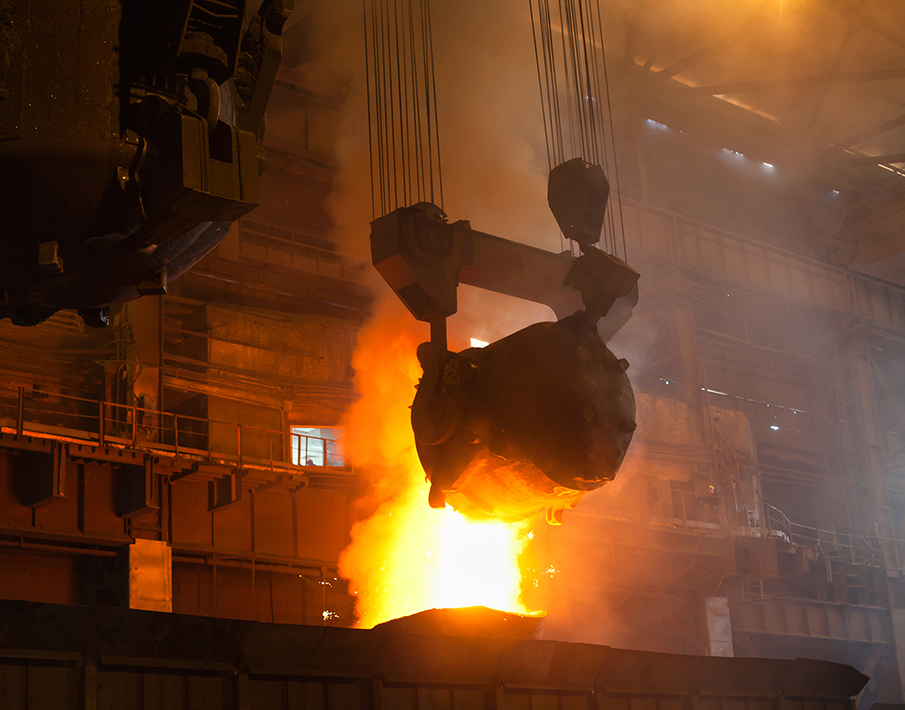


Environmental Responsibility
- Reducing emissions
- Water management
- Waste management
- Land rehabilitation
Actions and Initiatives
- Implementing energy-efficient technologies to lower emissions
- Recycling and treating water used in operations
- Reducing and safely disposing of mining waste
- Restoring ecosystems and promoting biodiversity after mining
Sustainable Resource Recovery
Key Focus Areas
- Circular economy principles
- Low-impact mining technologies
- Alternative resources
Actions and Initiatives
- Maximizing metal recovery from waste and tailings
- Using solvent extraction-electrowinning (SX-EW) for copper recovery
- Extracting metals from secondary sources, reducing primary resource dependence
Community Engagement & Development
Key Focus Areas
- Supporting local communities
- Health and safety
- Social initiatives
Actions and Initiatives
- Creating local job opportunities and supporting economic development
- Adhering to global safety standards and maintaining safe working environments
- Building football field and other community projects
Innovation and Partnerships
Key Focus Areas
- Collaboration with technology leaders
- Adopting best practices
Actions and Initiatives
- Partnering with global technology providers to drive innovation in sustainable mining
- Aligning with international sustainability standards such as the UN Sustainable Development Goals
ENVIRONMENTAL, SOCIAL & GOVERNANCE
Through our comprehensive ESG commitment, Green Tech Mining & Services aims to create sustainable value for all stakeholders, protect the environment, support local communities, and uphold the highest governance standards. We believe that responsible mining practices can lead to a more sustainable future for all.

Environmental Responsibility
Sustainable Resource Management
Minimizing Environmental Impact: We adopt sustainable mining practices that focus on efficient resource extraction, reducing habitat disruption, and implementing land rehabilitation measures post-mining.
Water Management: Implement effective water conservation practices, including nature based solutions for water recycling and treatment systems, to minimize water usage and protect local water sources.
Carbon Reduction Goals
Emission Targets: With interim targets to reduce greenhouse gas emissions by 25% by 2028 through energy efficiency and renewable energy integration.
Renewable Energy Use: Transition to renewable energy sources, aiming for at least 50% of our energy needs to come from renewables by 2030
Biodiversity Protection
Environmental Assessments: Conduct thorough Environmental Impact Assessments (EIAs) before commencing any projects to identify and mitigate potential effects on local ecosystems and wildlife.
Habitat Restoration: Develop and implement sustainable mine closure plans for restoring habitats after mining operations to support biodiversity.
Waste Management
Waste Reduction Strategies: Implement practices to reduce waste generation through integrates waste management strategies and waste hierarchy.
Tailings Management
Safe Tailings Practices: Utilize best practices for secondary tailings management to ensure the safety of surrounding communities and the environment.
Social Responsibility
Community Engagement
Stakeholder Collaboration: Actively engage with local communities to understand their needs and concerns, fostering a partnership approach in project development.
Investment in Local Development: Support community development initiatives, such as football fields for children and other infrastructure projects, to enhance the quality of life for local residents.
Employee Development
Training and Skill Development: Invest in continuous learning opportunities, including training programs and leadership development initiatives, to empower employees and enhance their professional growth.
Performance Recognition: Implement recognition programs to celebrate employee achievements and promote a positive work environment.
In Country Value
Support Local Businesses: Prioritize procurement from local suppliers to stimulate economic growth and support local industries, fostering a sustainable local economy.
Governance
Ethical Business Practices
Code of Conduct: Uphold a robust code of conduct that outlines ethical behavior expectations for all employees and stakeholders.
Anti-Corruption Measures: Implement strict anti-corruption policies to prevent bribery and unethical practices in all business dealings.
Compliance and Accountability
Regulatory Compliance: Ensure adherence to local and international regulations governing mining and environmental practices.
Risk Management Framework: Develop a comprehensive risk management framework that identifies, assesses, and mitigates potential risks to operations and stakeholders.
Stakeholder Engagement
Transparent Communication: Maintain open communication with stakeholders, including regular updates on ESG performance and initiatives.
Feedback Mechanisms: Implement channels for stakeholders to provide feedback and express concerns regarding our operations and impact.
Sustainability Reporting
Reporting: Commit to transparent sustainability reporting, aligning with international frameworks such as GRI (Global Reporting Initiative) and SASB (Sustainability Accounting Standards Board).
Performance Metrics: Establish key performance indicators (KPIs) to measure progress on ESG goals and report on these metrics annually.
Continuous Improvement
Ongoing Assessment: Regularly review and enhance ESG practices in response to evolving standards, stakeholder feedback, and industry best practices.
Training for Leaders: Provide ESG-related training for leadership to ensure alignment with organizational values and objectives.
Our People and Communities
PEOPLE
Our employees and contractors are the foundation of our business. We aim to attract and retain the best people. Our distinctive way of working as a team empowers our people to bring the best of themselves to improve their work every day. We offer competitive remuneration and invest in the development of our people to build capability and drive stronger performance.

COMMUNITIES
Green Tech Mining & Services is committed to building strong, positive relationships with the communities in which we operate. By focusing on sustainable development, open communication, and mutual respect, we aim to create shared value and contribute to the well-being of local populations while achieving our business goals.

Climate Change
At Green Tech Mining & Technologies Oman, we firmly believe that climate change is an urgent and pressing global challenge that requires immediate and collective action. We understand that the mining industry plays a significant role in the world’s energy and resource needs, but it also has a responsibility to mitigate its environmental impact.

Our Aim on Climate Change

Reducing Carbon Emissions
We aim to significantly reduce our carbon footprint through the adoption of clean and renewable energy sources such as solar, optimizing energy efficiency in all operations, and deploying low-carbon technologies. Our long-term goal is to achieve carbon neutrality and low-emissions project.
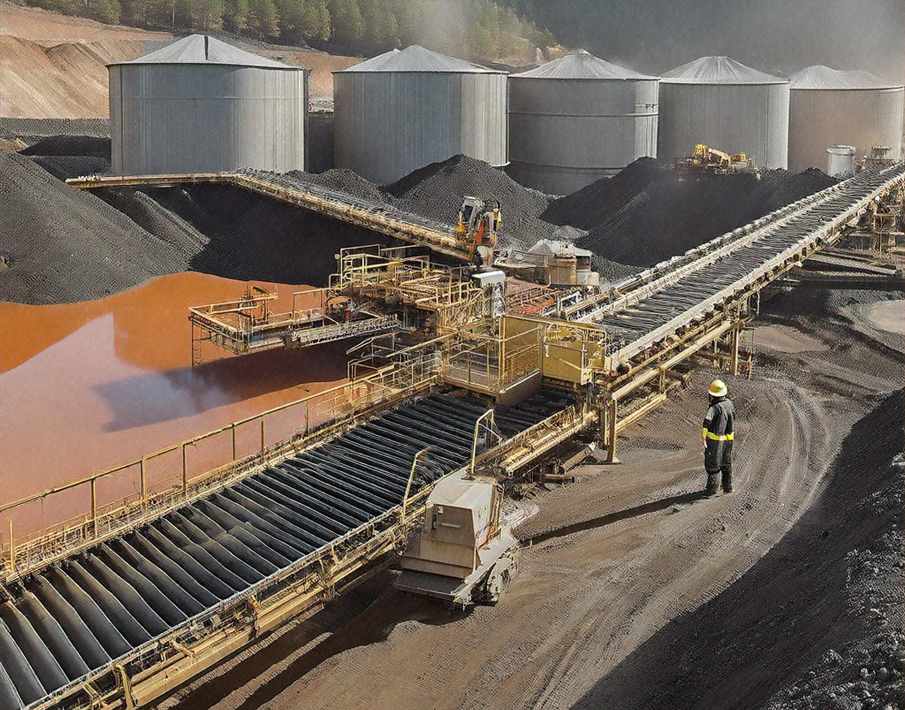
Sustainable Mining Practices
We aim to lead the industry in adopting sustainable mining practices by focusing on reprocessing tailings, recovering valuable metals from secondary sources, and minimizing new raw material extraction. By promoting a circular economy, we reduce the need for environmentally damaging practices while still supplying essential minerals.
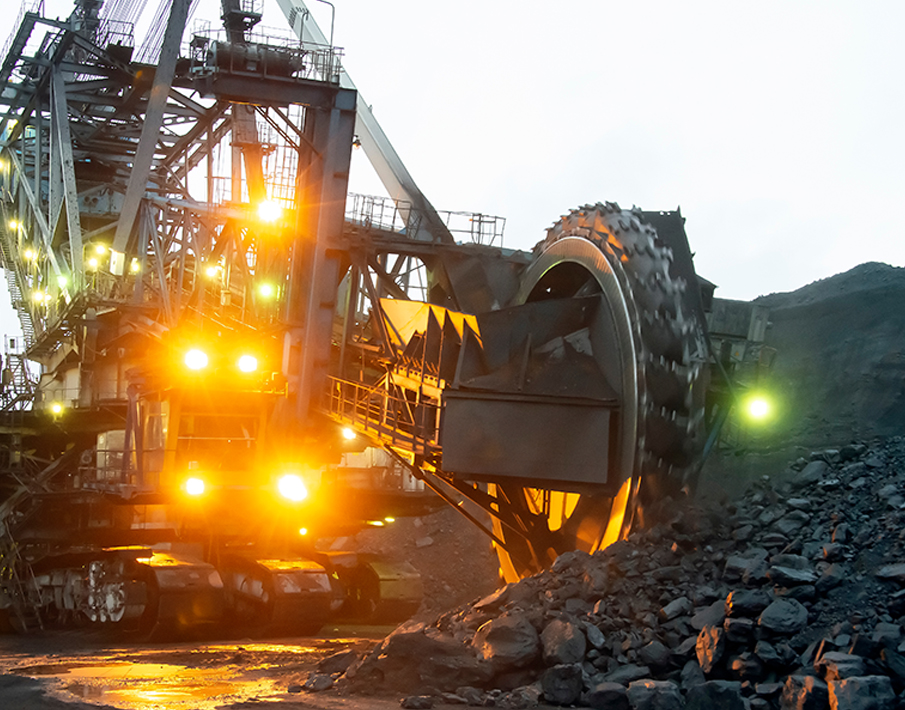
Innovation in Climate Solutions
Our aim is to continuously innovate by incorporating advanced technologies, such as hydrometallurgical processes and other low-impact extraction methods, that minimize environmental disruption. We believe innovation is crucial to addressing both current and future climate challenges.
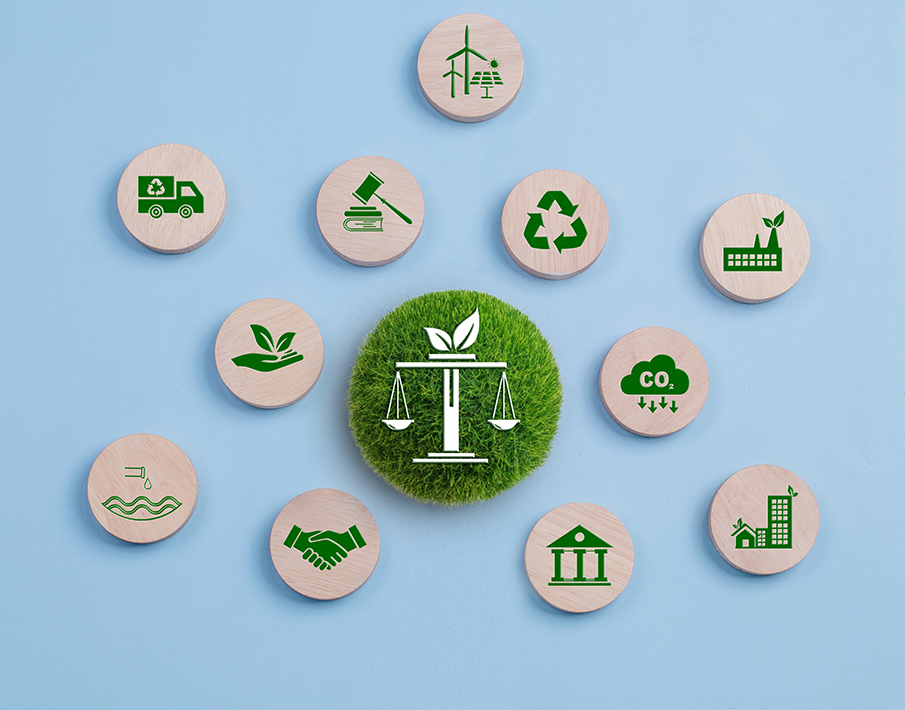
Aligning with Global Climate Goals
We are committed to supporting international climate agreements, such as the Paris Agreement, and aligning our operations with the United Nations Sustainable Development Goals (SDGs). Our ambition is to contribute to global efforts in limiting global temperature rise by reducing greenhouse gas emissions.

Collaboration for Climate Action
We aim to collaborate with governments, industry partners, and local communities to address climate change collectively. We believe that through partnerships and shared knowledge, we can achieve greater results in reducing the mining industry’s environmental impact and supporting global sustainability initiatives.
GHG Emissions Targets and Goals
Sustainable Mining Innovation
Reclaiming Value from Contamination
Our innovation lies in the technologies we employ but more over – in our approach to solving the issue with old contamination from past mining activities. We do not aim to simply clean up the old mining sites. We aim to do it after making sure we have extracted the remaining minerals first, turning them into valuable commodities.
Secondary Mineral Extraction
The first step in our approach is the implementation of the practice of secondary mineral extraction from the tailings remaining from previous mining projects. We do this by applying Leach agitation, Solvent extraction and Electrowinning (SX/EW) processing of the tailing material so that we recover the remaining minerals.
Site Remediation and Restoration
The second step in our approach is to remediate and restore the sites we operate in. The generated effluents from mineral extraction are treated using constructed wetlands where the acidity of the water is decreased to neutrality. The solids are neutralized and are used for backfilling old mining pits/underground mines. The former tailing dam sites undergo rehabilitation through reconstruction, re-soiling and revegetation.
Aligning with Oman Vision 2040
We believe that Green Tech Mining and Services will contribute significantly to Oman’s Vision 2040 national priorities in matters of environmental sustainability, economic diversification and development of the labour and employment market.
Oman Vision 2040
Private Sector Development & International Partnerships
Governance and Institutional Excellence
Labour Market and Employment
Economic Diversification & Fiscal Sustainability
Environment and Natural Resources
Ethics and Compliance
At Green Tech Mining & Services, our ethics and compliance framework is integral to our sustainability efforts. We believe that operating responsibly not only meets legal and ethical standards but also contributes to a sustainable future for all stakeholders.

Integrity and Transparency
Sustainable Practices
Regulatory Compliance
Anti-Corruption and Fair Practices
Community Engagement and Social Responsibility
Conflict of Interest Management
Employee Conduct and Development
Health, Safety and Wellbeing
Our Ambition
- Foster a culture of care and trust, encouraging open communication.
- Promote collective learning and continuous improvement.
- Integrate safety into all aspects of work through operational frameworks.
- Embrace humility and curiosity to optimize learning and knowledge sharing.
- Manage high safety risks with effective control measures.
- Improve the quality of investigations to understand influencing factors.
Our Approach and Position
- Prioritize safety as a fundamental aspect of operations in Oman.
- Identify and control risks impacting workforce and surrounding communities.
- Engage employees for insights that drive better safety outcomes.
- Utilize communication channels such as safety updates and leadership engagement.
- Provide focused training sessions to strengthen safety culture and practices.
Risk Management
- Implement robust controls for potential safety risks.
- Leadership support for local safety standards and best practices.
- Empower employees to report safety concerns without fear.
- Trained personnel manage safety risk approach with leadership involvement.
- Risk Appetite Statement guides safety management, aligning with Omani regulations.
- Collaborate with local industry partners to enhance safety practices.
Please see our HSE Policy under policies section.